White Wood Texture: A Versatile Design Element for Creatives and Businesses
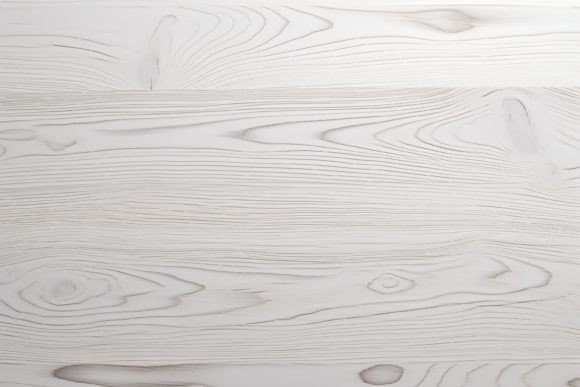
White wood texture is a subtle yet powerful design element that brings warmth, elegance, and a natural feel to any project. Unlike traditional wood textures that showcase rich browns and deep grains, white wood textures offer a clean, minimalist aesthetic while still retaining the organic charm of real wood. This makes them ideal for a wide range of creative and commercial uses where you want to evoke a sense of simplicity, sophistication, or eco-friendliness.
Why Choose White Wood Texture?
Whether you're designing a website, creating custom packaging, or working on a DIY home decor project, using white wood texture can elevate your work without overwhelming it. Its soft, muted tones blend well with both modern and rustic styles, making it a go-to choice for those who appreciate versatility in their visual assets. The high-resolution JPG file (3000×2000 px) at 300 DPI ensures crisp detail whether printed or displayed digitally, which is essential when precision matters.
Real-World Uses for White Wood Texture Backgrounds
Let’s look at some practical ways people are using white wood texture backgrounds across different fields:
- DIY Projects: From decoupage to wooden text effects, a white wood texture background adds depth and authenticity to handmade items. Imagine transforming a plain picture frame into something that looks like reclaimed driftwood — all with just a few downloads and a little creativity.
- Cardmaking & Invitations: Wedding invitations, birthday cards, or thank-you notes can instantly feel more personal and elegant with a white wood texture overlay. It gives the impression of being crafted from real materials, even if they’re digital designs.
- Stationery and Planner Stickers: For planners, calendars, and note-taking tools, a white wood texture background can give the illusion of a handcrafted journal. It works especially well with minimalist layouts, helping users focus on content while enjoying a tactile visual experience.
- Web Graphics and Banners: In web design, a white wood texture can be used as a background for banners, headers, or landing pages. It helps create a calming and inviting atmosphere, perfect for lifestyle brands, wellness websites, or nature-focused businesses.
- Business Cards and Branding Materials: Entrepreneurs often use white wood texture to add a touch of uniqueness to business cards, logos, or letterheads. It conveys an image of sustainability and craftsmanship, aligning well with eco-conscious or artisanal brands.
- Scrapbooking and Memory Keeping: Scrapbookers love the ability to print white wood textures onto paper or cardstock to create layered, dimensional pages. The RGB color format ensures vibrant colors when printed, letting photos and handwritten notes pop against the textured background.
How Different Users Benefit from White Wood Texture
The beauty of white wood texture lies in its adaptability. Here’s how various professionals and hobbyists can make the most of it:
For Creators and Artists
Graphic designers and illustrators can use white wood texture to enhance their artwork without distracting from the main subject. For example, a designer might apply it subtly behind a logo to give it a “handmade” vibe. Because of its high resolution and clarity, it's also great for printing over surfaces like canvas or wood panels during mixed-media projects.
For Small Business Owners
If you run a boutique, café, or online shop focused on natural or vintage aesthetics, integrating white wood texture into your branding can help reinforce your identity. Think about using it in product packaging or promotional materials to stand out from the competition. The texture gives a warm, approachable feel that resonates with customers looking for authenticity and quality.
For Educators and Presenters
Teachers and trainers can use white wood texture backgrounds in presentations or classroom materials to create a cozy, engaging learning environment. When projecting slides on a screen or printing handouts, the texture helps break up monotony and keeps attention focused. It's especially effective in subjects like environmental science, art, or history where a tactile visual can spark curiosity.
For Bloggers and Content Creators
Bloggers and social media managers can incorporate white wood texture into blog headers, Instagram stories, or Pinterest pins to create a cohesive theme. If you're running a lifestyle blog about home décor or sustainable living, this texture adds a visual layer that supports your message naturally. You’ll find it easy to customize with overlays, text, or images due to its clean base.
Practical Tips Before Using White Wood Texture
Before downloading or applying a white wood texture background, consider these points to ensure it fits your needs:
- Understand Your Project Requirements: Are you printing large posters or small stickers? The high resolution of 3000×2000 px means it scales well, but always check your printer’s recommended settings for best results.
- Test Color Compatibility: While the RGB color profile is great for digital use, if you're printing, test a sample first to see how the colors translate. Some printers may render whites slightly differently than what appears on your screen.
- Consider Lighting and Contrast: White wood textures can sometimes appear flat under certain lighting conditions. Pair them with contrasting elements like bold typography or bright icons to maintain visual interest.
- Use Layers for Flexibility: In design software like Photoshop or Canva, place the white wood texture on a separate layer so you can adjust opacity, blending modes, or add filters as needed.
Where to Use White Wood Texture in Everyday Life
Here are a few everyday scenarios where a white wood texture background can be surprisingly useful:
Scenario 1: You’re hosting a rustic-themed baby shower and need invitations that match the vibe. Instead of searching for expensive stock photos, download a white wood texture background and design your own personalized invites in minutes. The texture gives a natural look that feels authentic and budget-friendly.
Scenario 2: As a freelancer, you want your website to reflect your personality and values. You choose a white wood texture for your homepage background because it aligns with your eco-conscious brand. Visitors immediately get a sense of your style and commitment to sustainability.
Scenario 3: You're teaching a weekend workshop on DIY home décor. To create a handout guide, you print instructions on white wood-textured paper. Attendees not only receive helpful information but also take home a decorative piece they can reuse in their craft projects.
Combining White Wood Texture with Other Elements
One of the best things about white wood texture is how easily it pairs with other design elements. Try combining it with:
- Soft pastel colors for a dreamy, bohemian feel.
- Ethereal watercolor illustrations to create a harmonious, artistic layout.
- Handwritten fonts and minimalistic icons for a clean, modern look.
- Photographs of natural landscapes or products to highlight the organic theme.
This flexibility allows you to tailor your designs for specific audiences or purposes. Whether you're aiming for a trendy, farmhouse-inspired look or a sleek, Scandinavian-style layout, white wood texture can support your vision.
Choosing the Right Format for Your Needs
When selecting a white wood texture background, pay attention to the file format and resolution. The JPG file included here is already optimized for most uses, but if you need more editing freedom, consider converting it to a PNG for transparency options. At 300 DPI, it’s suitable for both digital and print applications, so you won’t have to worry about pixelation or blurriness.
Also, think about the size. A 3000×2000 px background is generous enough to allow cropping and resizing without losing quality. That means you can use it for large-format prints or smaller, detailed projects alike.
Real Outcomes from Using White Wood Texture
Here’s what you can realistically expect when you start using white wood texture in your work:
- Increased Visual Appeal: Your designs will feel more grounded and connected to nature, which many users find appealing and trustworthy.
- Better Brand Consistency: By using the same texture across multiple platforms, you'll build a stronger, more recognizable brand identity.
- Cost Savings: Printing on white wood-textured paper or using the texture in digital designs can reduce the need for expensive props or stock images.
- Creative Freedom: With the right tools, you can layer, modify, and experiment with the texture to suit your unique style.
In practice, this means you could turn a simple photo into a stunning banner for your next event, or use it to make your marketing materials feel more premium and professional. It's not just about looking good — it's about feeling right for the message you're trying to send.
Final Thoughts
White wood texture isn't just another design trend — it's a tool that empowers creators and entrepreneurs to express themselves authentically. Whether you're crafting a new logo, planning a themed party, or building a blog, this texture offers a foundation that feels both classic and contemporary. With the right application and thoughtful integration, it can become a key part of your creative toolkit, helping you produce work that stands out in a meaningful way.