Strategic Use of Multicolored Glass Background in Design and Branding
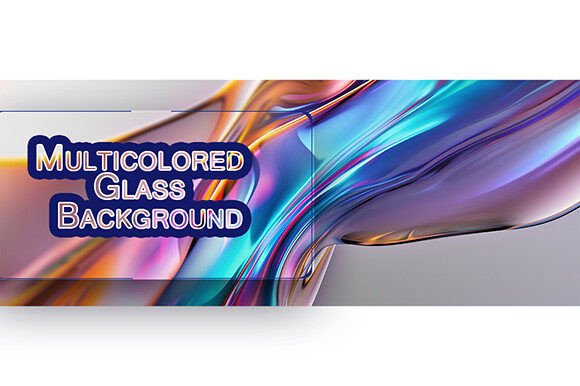
A Multicolored Glass Background is more than just a decorative visual element—it’s a powerful tool that can enhance the strategic impact of your design work. Whether you're creating digital content, print materials, or branding assets, this abstract design background offers a unique blend of sophistication and vibrancy. With dimensions of 5117x2000 px and a resolution of 300 DPI, it delivers premium quality suitable for both screen and high-resolution printing. This JPEG file is optimized to maintain clarity across a wide range of applications, from website headers to business cards.
Elevating Visual Communication with Abstract Design Elements
In today’s competitive market, standing out visually is crucial. A Multicolored Glass Background introduces an artistic edge without overwhelming the viewer. The translucent, colorful layers mimic the complexity of glass art, making it ideal for conveying innovation, creativity, and modernity. These characteristics align well with industries like tech, fashion, lifestyle, and education, where aesthetics play a significant role in communication.
When used strategically, such backgrounds can support your message by evoking emotion and curiosity. For example, in a blog post about sustainability, the subtle iridescence of the glass can symbolize transparency and environmental consciousness. In marketing collateral for a new product launch, the dynamic color shifts can represent versatility and cutting-edge design.
Why It Matters: Strategic Relevance Across Industries
Designers and marketers are always on the lookout for ways to make their visuals memorable. A Multicolored Glass Background provides a rich foundation that encourages engagement. Its abstract nature allows it to adapt to various themes while still maintaining a sense of cohesiveness and professionalism.
- Entrepreneurs can use it to create a compelling brand identity that stands out in crowded markets.
- Marketers benefit from its ability to add depth and interest to social media graphics, email campaigns, and advertisements.
- Creative professionals, including bloggers and publishers, can leverage it as a versatile backdrop for editorial content or portfolio presentations.
- Freelancers and small business owners gain access to a high-quality asset they can repurpose across multiple platforms without sacrificing consistency or quality.
Practical Applications and Use Cases
The beauty of a Multicolored Glass Shape as an abstract design lies in its flexibility. Here are some real-world scenarios where this background format can be applied effectively:
1. Digital Marketing and Web Design
Websites often suffer from visual monotony. A Multicolored Glass Background can break up the static feel of pages while maintaining elegance. Use it for hero sections, landing pages, or even behind text overlays to add texture without distracting users. For instance, a SaaS company might use it subtly in a pricing section to highlight different tiers of service through layered colors.
2. Print Media and Branding Materials
High-resolution files like the 300dpi JPG version of this background are perfect for print. You can integrate it into posters, packaging, and invitations to give them a modern yet refined look. Consider using it for event invitations that require a touch of originality or for product packaging that needs to reflect a brand's creative spirit.
3. Educational and Professional Content
Presentations, reports, and educational materials can become visually engaging with the right background. The abstract nature of the Multicolored Glass Shape makes it suitable for slides that need to inspire but not overwhelm. Educators can use it to create interactive learning modules, while professionals might apply it to internal training decks or client proposals.
4. Social Media and Content Creation
With attention spans dwindling online, your content must capture interest instantly. Using a vibrant, abstract background can help achieve this. Apply it to Instagram posts, Pinterest boards, or YouTube thumbnails to draw the eye and encourage interaction. However, ensure the foreground elements remain legible—balance is key to effective design.
Planning Thoughtfully: When and How to Use the Background
Before applying a Multicolored Glass Background, consider the context. Ask yourself: Does this background support the message? Will it distract or complement the main content? Will it scale well across different formats?
Here’s how to approach the planning process:
- Define the purpose: Is it for branding, advertising, or educational purposes? Each goal will influence how you deploy the background.
- Understand your audience: If targeting professionals, choose a subtler variation; if appealing to younger demographics, opt for a bolder interpretation.
- Test variations: Try different color contrasts and layering techniques to see what works best with your content and style.
- Ensure accessibility: Overlay text should maintain sufficient contrast against the background to remain readable for all users.
Strategic Observations on Color and Transparency
The Multicolored Glass Shape thrives on its interplay of color and light. Unlike solid-colored backgrounds, which can limit visual storytelling, this abstract design invites exploration. The varying opacity levels allow for creative layering, making it easier to highlight focal points or suggest movement within a composition.
For example, when designing a promotional poster for a wellness retreat, the soft transitions between colors can mirror the theme of balance and harmony. In contrast, for a startup pitch deck, the sharper edges and brighter hues may convey energy and ambition.
Risks of Random Implementation
While the Multicolored Glass Background is undeniably attractive, it’s not universally appropriate. Misusing it without clear intent can lead to several pitfalls:
- Overcomplication: Too much visual noise can dilute your message and confuse viewers.
- Lack of cohesion: If not aligned with your brand’s color palette or tone, the background may clash rather than complement.
- Accessibility issues: Poor contrast between the background and text can hinder readability, especially for those with visual impairments.
To avoid these risks, start by defining your core message and desired emotional response. Then, evaluate whether the background supports those goals. If it does, proceed with a clear plan for integration and testing.
Decision-Making Guidance for Intentional Use
Integrating a Multicolored Glass Shape into your design strategy requires thoughtful decision-making. Begin by considering the following factors:
- Brand alignment: Does the background reflect your brand’s personality and values? A luxury brand might favor muted tones, whereas a youth-focused venture could embrace boldness.
- Content hierarchy: Where should the viewer’s attention go? Use the background to guide focus rather than compete with it.
- Technical compatibility: Ensure the background works seamlessly with your existing design tools and workflows.
Additionally, think about the lifecycle of your project. Will the background remain relevant months down the line? Can it be reused across platforms without needing rework? These questions help determine long-term value and reduce unnecessary resource expenditure.
Enhancing Creativity and Productivity
For creators and designers, having a reliable high-quality asset like a Multicolored Glass Background can streamline the creative process. Instead of starting from scratch each time, you can build upon a consistent base, allowing you to focus more on messaging and less on background design.
This efficiency is particularly valuable for startups and freelancers who operate under tight timelines. By incorporating a pre-designed background, you can produce polished materials faster, giving you more time to refine other aspects of your project or campaign.
Examples of Effective Integration
- Website banners: A travel agency uses the background to evoke a sense of adventure with shifting hues representing different destinations.
- Business card designs: A boutique studio applies the background as a subtle watermark beneath contact details, reinforcing their creative identity without overshadowing information.
- Invitation templates: A wedding planner integrates the background into save-the-dates and RSVPs to add a personal, artistic touch that aligns with the couple’s tastes.
Long-Term Value and Positioning
Choosing a Multicolored Glass Background isn’t just about aesthetics—it’s about positioning. Over time, repeated use of a signature visual element can strengthen brand recognition. Think of it as a visual anchor that ties your diverse outputs together, from blogs to wall art, notebooks to packaging.
Consider the story you want your brand to tell. Does the background support that narrative? If your brand is about transformation and innovation, the fluid, ever-changing qualities of the glass shape can reinforce those ideas subtly yet powerfully.
Planning Tips for Sustainable Use
- Develop a usage guideline: Establish rules for when and how the background should be used across your platform to maintain consistency.
- Track performance: Monitor user engagement and feedback when using the background in live projects. Adjust based on results.
- Stay adaptable: While consistency is important, don’t hesitate to tweak the background to better suit specific campaigns or products.
Conclusion: Purpose-Driven Design for Better Outcomes
Using a Multicolored Glass Background thoughtfully can significantly enhance your visual communication strategy. From digital marketing to print design, this abstract element offers a unique way to express creativity and professionalism. But its success depends on intentionality—knowing when to use it, how to implement it, and what it represents in the broader context of your brand or project.
As you move forward, let your goals drive your design choices. Whether you’re crafting a website, preparing a presentation, or developing branding materials, the right background can elevate your message and improve outcomes. The Multicolored Glass Shape in JPEG format at 300 DPI provides a premium canvas for your next big idea. Use it wisely, and watch your content come to life with depth, meaning, and lasting impact.