Postage Stamps Digital Papers: A Versatile Resource for Modern Creators
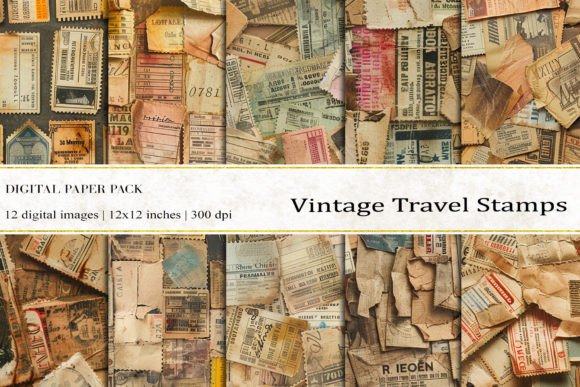
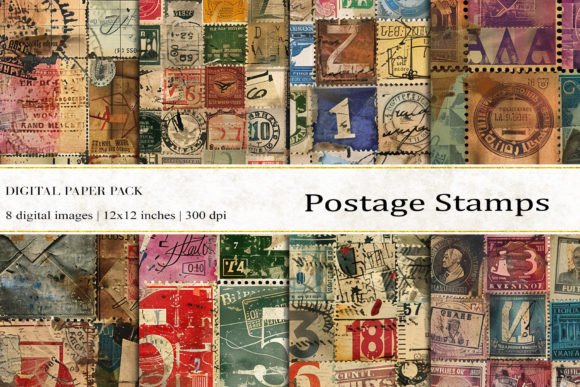
In the world of digital design and crafting, finding a resource that bridges the gap between vintage charm and modern utility can be challenging. Postage Stamps Digital Papers offer exactly that balance. This specific set provides eight distinct 12×12 inch JPG files at a high-resolution 300 dpi, ensuring crisp details whether you are printing on heavy cardstock or displaying on a retina screen. While the concept might sound niche, the applications are surprisingly broad, serving everyone from hobbyist scrapbookers to professional web designers.
The appeal of this collection lies not just in its aesthetic but in its functionality. Each paper features intricate textures and background elements reminiscent of traditional postage stamps—perforated edges, faded ink tones, and classic typography. These visual cues evoke nostalgia, reliability, and history, making them powerful tools for storytelling in design. Instead of starting from scratch to create textured backgrounds, creators can download these ready-to-use assets and focus on the core message of their project.
Why Texture Matters in Digital Design
Before diving into specific use cases, it is important to understand why texture adds value. Flat colors often feel sterile or temporary. Textures like those found in Postage Stamps Digital Papers add depth, weight, and authenticity to a design. They mimic physical materials, which helps ground digital content in reality. For instance, a plain white invitation feels generic, but one layered over a subtle stamp-textured background feels curated and intentional.
At 300 dpi, these images meet the standard requirement for high-quality printing. This resolution ensures that when you scale these papers up for large format prints or down for small icons, they remain sharp. The JPG format is universally compatible, meaning you can open these files in almost any graphic design software, from Adobe Photoshop and Illustrator to Canva and Microsoft PowerPoint. This accessibility removes technical barriers, allowing users with varying levels of expertise to incorporate professional-grade textures into their work.
Crafting and Personal Projects
For hobbyists, the primary draw of Postage Stamps Digital Papers is their compatibility with popular crafting formats. The 12×12 inch dimension is the industry standard for scrapbooking pages. Whether you are documenting a family vacation, preserving wedding memories, or creating a baby’s first year album, these papers provide a cohesive theme without requiring complex layout skills.
- Scrapbooking: Use the stamp textures as full-page backgrounds. The perforated edges naturally guide the eye toward the center, where you can place photos or journaling cards. This creates a framed effect that highlights your memories.
- Planner Stickers: Many digital planners rely on sticker packs. You can cut out individual elements from these papers to create custom stickers for your digital planner app (like GoodNotes or Notability) or print them on sticker paper for physical planners. The vintage look adds character to daily task lists.
- Cardmaking: When designing greeting cards, especially for birthdays or thank-you notes, a subtle stamp texture can elevate a simple design. It suggests care and effort, making the recipient feel valued.
Educators and parents also find these resources useful. Creating educational worksheets or classroom decorations with a "travel" or "history" theme becomes effortless. A lesson on geography can be enhanced with map-like stamp textures, making learning more engaging for students.
Professional and Business Applications
While often associated with crafts, Postage Stamps Digital Papers have significant utility in professional settings. Small business owners and entrepreneurs can leverage these textures to build brand identity and marketing materials that stand out in a crowded digital landscape.
Brand Identity and Packaging
If you sell physical products, packaging is your first touchpoint with a customer. Using these digital papers to design labels, tags, or backing cards can give your product a handmade, artisanal feel. For example, a candle maker could use a stamp-textured label to suggest natural ingredients or old-world craftsmanship. This aligns with current consumer trends that favor authenticity and transparency.
Digital Marketing Assets
Bloggers and content marketers constantly need fresh visuals for social media posts, blog headers, and email newsletters. Static images can become monotonous. By incorporating Postage Stamps Digital Papers as background layers, you can break up text blocks and create visually interesting infographics. For instance, a "Top 10 Tips" listicle looks much more polished when each tip is placed on a distinct stamp-textured card rather than plain white space.
Invitations and Event Graphics
Event planners and individuals hosting parties can use these papers for digital invitations. The theme fits well with travel-themed weddings, anniversary celebrations marking years traveled, or even corporate retreats. The versatility of the JPG format means these designs can be easily shared via email or social media, reducing printing costs and environmental impact.
Web Design and Graphic Composition
For web designers and UI/UX specialists, texture plays a crucial role in user experience. It can make interfaces feel less cold and more inviting. Postage Stamps Digital Papers can be used as subtle overlays on websites, particularly for blogs, portfolios, or e-commerce sites selling vintage or retro-inspired goods.
Consider a freelance illustrator’s portfolio site. Using a stamp-textured background for the "About Me" section can reinforce the artist’s personal brand. Similarly, in e-commerce, product pages benefit from textured backgrounds that simulate the tactile experience of holding a product. This sensory simulation can reduce purchase anxiety by making the digital shopping experience feel more tangible.
Practical Considerations Before You Start
While Postage Stamps Digital Papers are versatile, successful integration requires attention to detail. Here are a few practical tips to ensure the best results:
- Color Harmony: Since these papers come with inherent vintage tones, ensure your foreground elements (text, photos, icons) contrast sufficiently. Light text may be hard to read on darker stamp textures, so consider adding drop shadows or semi-transparent backing boxes behind text.
- Resolution Awareness: Although the files are 300 dpi, always check your final output size. If you plan to print a poster larger than 12×12 inches, tiling the image might cause visible seams. For most standard uses, however, the resolution is more than adequate.
- Licensing and Usage Rights: Always review the license agreement provided with the digital paper set. Most sets allow for personal use and sometimes commercial use, but restrictions may apply regarding resale as standalone digital files. Ensure you are compliant if you are using these for client projects or products you intend to sell.
- Software Compatibility: If you are using free tools like Canva, import the JPGs as custom uploads. In professional software like Photoshop, consider using them as smart objects to maintain flexibility during editing.
Conclusion
Postage Stamps Digital Papers represent a small investment of time and money that yields significant creative returns. By providing high-quality, textured backgrounds, they empower users to enhance their projects across various domains—from personal scrapbooks to professional marketing campaigns. The key to leveraging these resources effectively is understanding their context and applying them thoughtfully. Whether you are a seasoned designer looking to speed up your workflow or a beginner wanting to add a touch of elegance to your DIY projects, these digital papers offer a reliable foundation for creativity. Embrace the texture, respect the resolution, and let the vintage charm inspire your next creation.