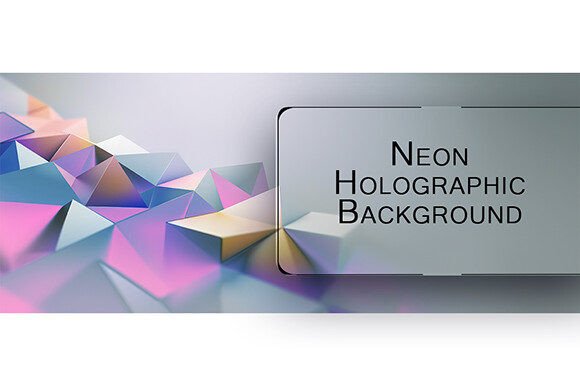
Neon Holographic Background: A Modern Design Element
The Neon Holographic Background is a striking visual asset that has rapidly gained popularity across digital and print media. Combining the vibrant glow of neon with the dynamic, shifting colors of holographic effects, this design element brings an electric, futuristic flair to any project. Whether you're a designer, marketer, or creative professional, incorporating a Neon Holographic Background can elevate your work from ordinary to extraordinary.
What Makes a Neon Holographic Background Unique?
A Neon Holographic Background typically features a high-contrast color palette dominated by neon shades like pink, blue, green, and yellow. These colors are layered with a holographic effect that gives the background a sense of depth and movement. The result is a visually engaging surface that catches the eye and holds attention, making it ideal for use in branding, advertising, and artistic compositions.
One of the most notable qualities of this background type is its ability to create a mood. It's often associated with modernity, innovation, and energy—qualities that resonate well with audiences in tech, fashion, entertainment, and lifestyle industries.
Technical Specifications Matter
When choosing a Neon Holographic Background, it's essential to consider technical details like resolution and file format. A 4809x2000 px dimension at 300 DPI ensures crisp, clear visuals suitable for both digital screens and printed materials. The JPEG format offers excellent quality while maintaining manageable file sizes, which is crucial for web applications and fast loading times.
High-resolution files like these allow for flexibility in scaling without loss of detail. This makes them particularly valuable for large-format prints such as posters, wall art, or packaging where clarity is key.
Real-World Applications
These backgrounds are incredibly versatile. Here are some of the most common and effective ways professionals are using them:
- Website Design: As a hero section background, it draws immediate attention and reinforces brand identity.
- Social Media Branding: Used in banners, profile images, and cover photos to create a consistent and bold visual presence.
- Posters & Invitations: Ideal for events, concerts, or product launches aiming to stand out.
- Packaging & Business Cards: Adds a premium touch that differentiates products and services in competitive markets.
- Wall Art & Notebooks: Appeals to collectors and creatives looking for unique, eye-catching designs.
- Marketing Materials: Enhances flyers, brochures, and postcards with a memorable aesthetic.
Why Designers Love It
Designers appreciate the Neon Holographic Background for its adaptability. It works equally well in minimalist layouts or more complex compositions with layered text and imagery. When used correctly, it doesn't overwhelm but instead enhances the visual hierarchy by creating contrast and focal points.
For instance, pairing neon text with a subtler holographic gradient allows important information to pop while still benefiting from the background's dynamic appeal. In e-commerce, such a background can highlight limited-edition products or seasonal promotions effectively.
Enhancing Communication and Engagement
Visuals play a powerful role in communication. A Neon Holographic Background can help you convey excitement, innovation, or exclusivity—depending on how it’s applied. For marketers, this means crafting messages that not only inform but also inspire action through compelling design.
In educational settings, teachers and presenters might use these backgrounds for slideshows on topics like science fiction, technology trends, or art history. The vibrant look can help maintain student engagement during lectures or workshops.
Freelancers and entrepreneurs can leverage the background in their portfolios or promotional content to reflect creativity and forward-thinking values. It adds a layer of professionalism while remaining visually distinct.
Usability in Digital Spaces
On websites and blogs, a Neon Holographic Background can serve as a backdrop for headers, landing pages, or interactive elements. However, usability should always be prioritized over aesthetics. Ensure that the text remains legible and that the background complements rather than competes with other design elements.
Some tips include:
- Use white or light-colored fonts for maximum contrast.
- Limit the number of neon elements to avoid visual clutter.
- Test the background on various devices and screen sizes to confirm readability.
Adding Depth with 3D Light Shapes
When a Neon Holographic Background is enhanced with 3D light shapes, it transforms into a multidimensional canvas. These shapes introduce a sense of motion and interactivity, even when static. They act as visual guides, drawing the viewer's eye across the design and emphasizing key areas.
3D light shapes are especially useful in:
- UI/UX Design: Creating depth and separation between interface elements.
- Event Promotion: Highlighting dates, locations, or special guests.
- Product Packaging: Giving items a futuristic edge that stands out on store shelves.
Imagine a music festival poster with neon bands and floating 3D light orbs. The combination immediately evokes a sense of energy and anticipation. Similarly, a mobile app splash screen with similar elements can enhance user experience by offering a visually immersive start to the application.
Practical Use Cases
Here are some real-world examples of how the Neon Holographic Background can be implemented:
- YouTube Channel Art: Boosts channel visibility with a bold, cohesive theme.
- Instagram Stories: Increases engagement due to its eye-catching nature.
- Email Headers: Helps reduce scroll fatigue and improves open rates.
- Printed Merchandise: Perfect for t-shirts, mugs, or phone cases targeting a younger demographic.
Choosing the Right Neon Holographic Background
Not all Neon Holographic Backgrounds are created equal. When selecting one, consider the following factors:
- Color Harmony: Does it match your brand's color scheme or the message you want to communicate?
- Resolution: A 300dpi JPG at 4809x2000 px is excellent for most purposes, but check if higher resolution options are needed for specific projects.
- File Format: JPEG is widely supported and maintains good quality, but for transparency or layered effects, PNG may be preferable.
- License Type: Confirm whether the background is royalty-free or requires attribution, especially for commercial use.
Also, evaluate how the background interacts with your content. Will it complement your logo or call-to-action? Or will it distract from the main message? Balancing style and substance is key to successful implementation.
Recommendations for Best Results
To get the most out of a Neon Holographic Background, follow these best practices:
- Keep the layout clean and uncluttered.
- Use complementary fonts and colors that don’t clash with the neon tones.
- Ensure it aligns with your overall brand image and target audience.
- Optimize for performance—especially if used online—to prevent slow load times.
Conclusion: Lighting Up Your Visual Projects
The Neon Holographic Background is more than just a trend—it's a powerful tool for visual storytelling and branding. Its blend of neon vibrancy and holographic dynamism makes it suitable for a wide range of uses, from digital marketing campaigns to physical merchandise. With a 300dpi high-resolution JPEG file, you have the flexibility to apply it across platforms without compromising quality.
Whether you're designing a new website, updating your social media assets, or planning a promotional event, the right background can make all the difference. Choose wisely, apply thoughtfully, and let your creativity shine through the neon glow.